Flood Damage Restoration in Fayetteville, AR
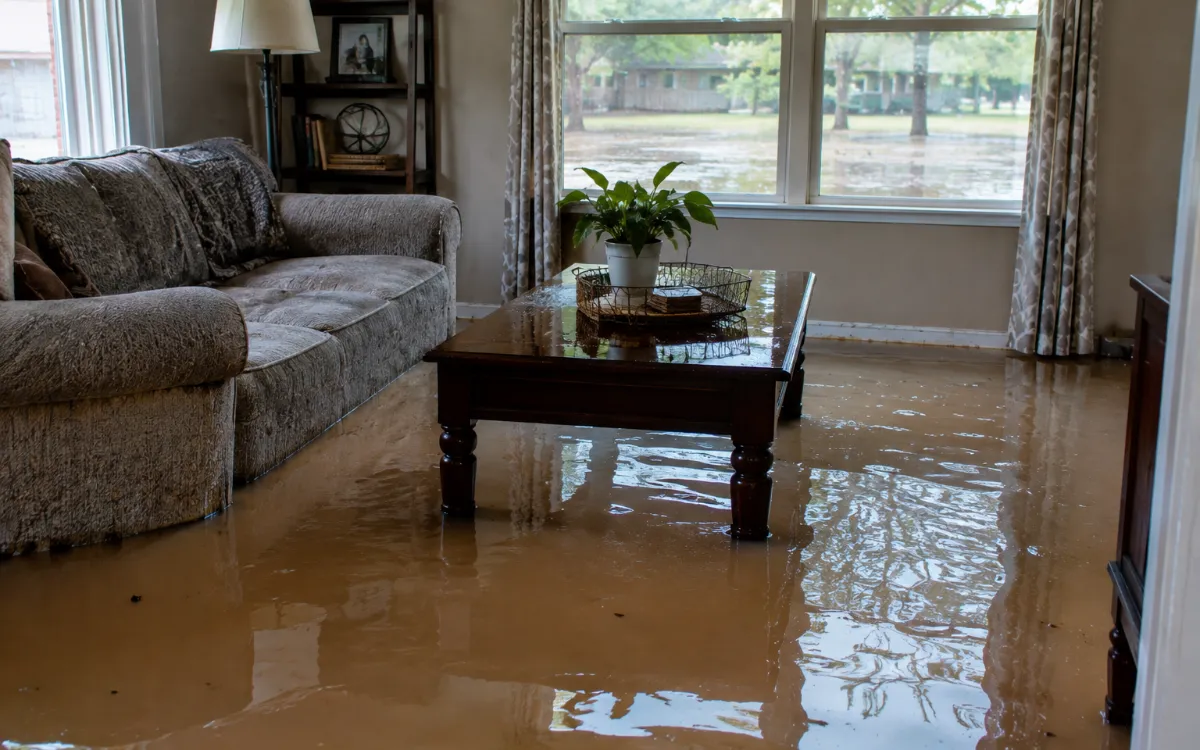
Flash flooding is a real risk in Northwest Arkansas. When rising water or storm runoff gets inside, our flood damage restoration service in Fayetteville removes the water, cleans and sanitizes everything it touched, dries the structure and rebuilds the damaged areas.
Floodwater from outside is treated as contaminated water, so the cleanup is more involved than a clean water leak.
OUR WORK
Flood Damage Restoration Work Examples
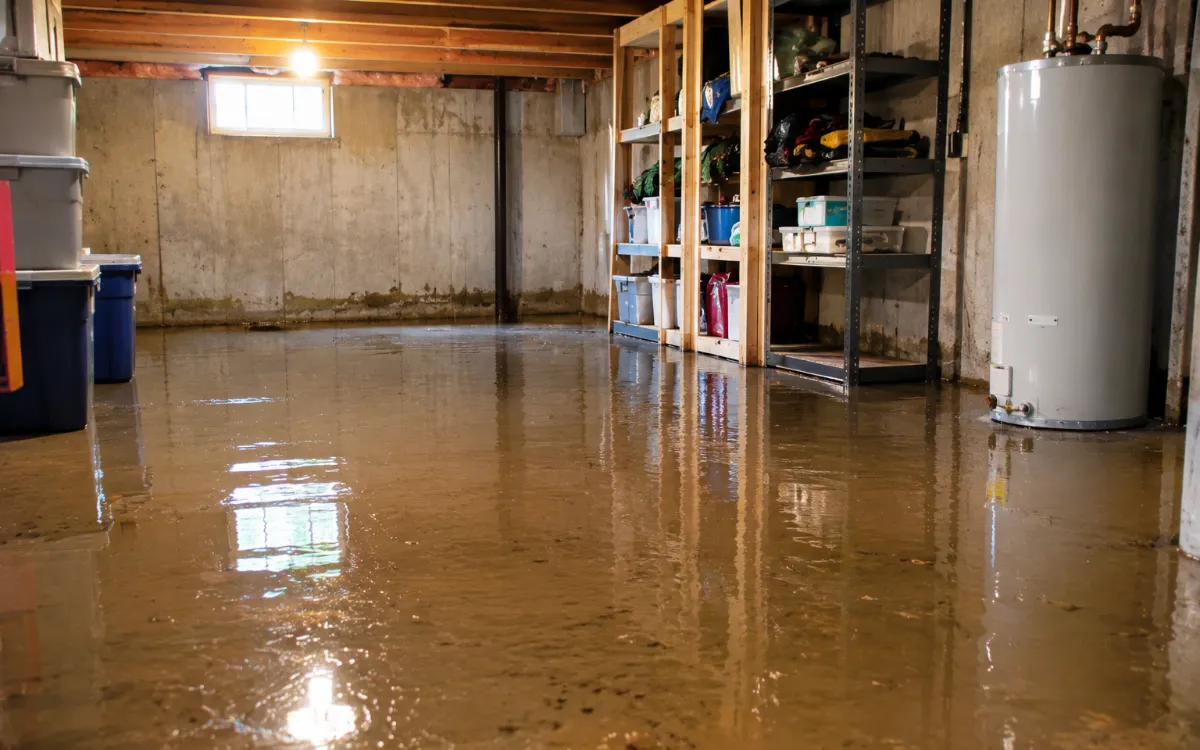
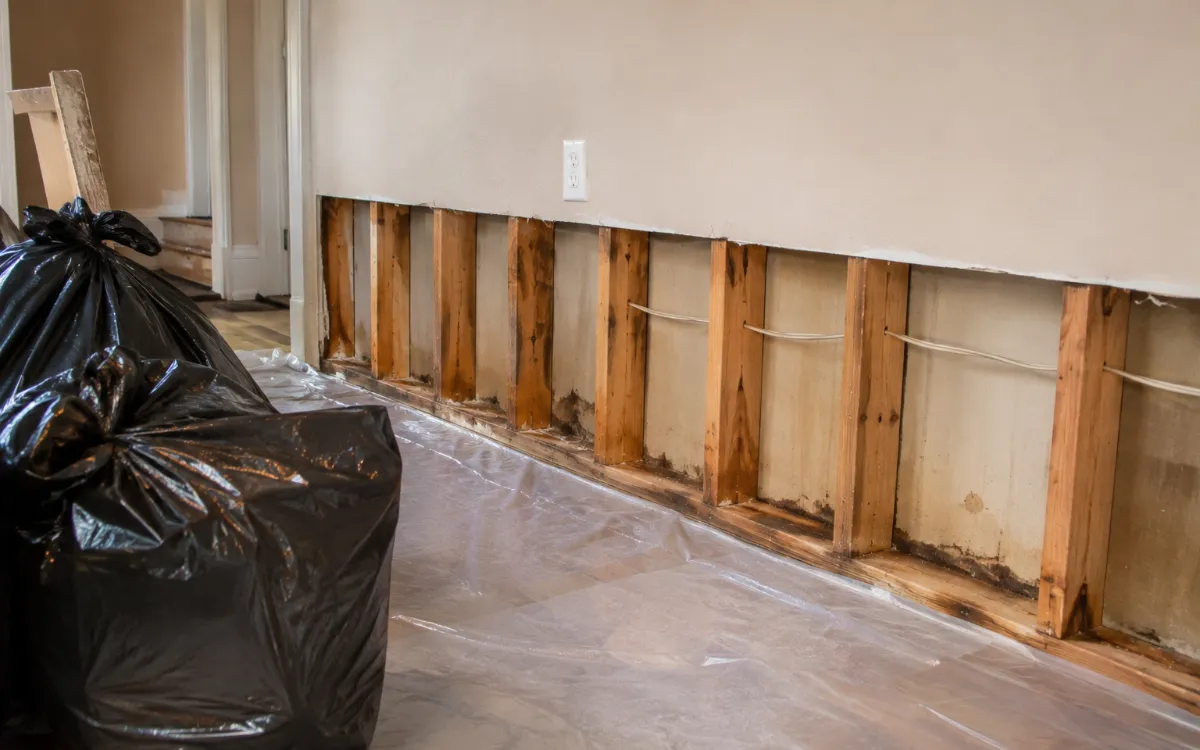
Examples of the type of flood damage restoration work we handle.
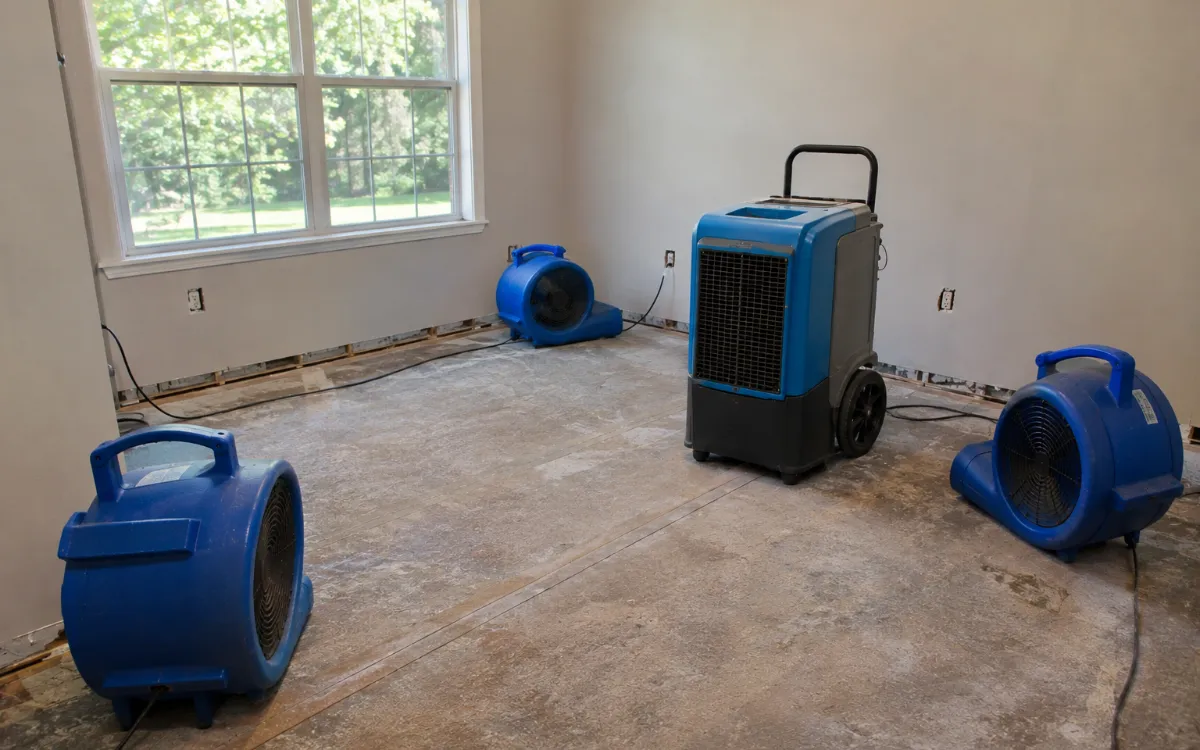
Flooding Risk in Fayetteville
Fayetteville sits in hilly terrain where heavy rain runs off quickly into creeks. The city's floodplain studies cover the West Fork of the White River and Town, Mud, Scull and Clear Creeks. When slow moving storms stall over the area, these creeks can rise fast and streets can flood within a short time.
Recent history shows how common this is. A September 2019 storm dropped 3.37 inches of rain on Fayetteville by 9 a.m., a record for that date, and flooded streets across town. The U.S. Geological Survey responded to localized flash flooding in and around Fayetteville in June 2026, with stream gages showing rapid rises. The National Weather Service regularly issues flash flood warnings that list Fayetteville, Springdale, Rogers and nearby towns.
Why Floodwater Needs Special Handling
Water that comes from outside picks up soil, bacteria, fuel, fertilizer and sewage from overflowing systems. Restoration standards classify it as Category 3 water. That changes the work:
- Porous materials the floodwater touched, such as carpet, pad, drywall and insulation, are removed rather than dried.
- Hard surfaces and framing are cleaned and treated with antimicrobial products.
- Our technicians wear protective equipment during removal and cleaning.
- Drying begins only after contaminated materials are out.
Please do not walk through floodwater or let children play in it. Contact with contaminated water is a health risk.
Need flood damage restoration in Fayetteville?
Our team serves Fayetteville and nearby Washington County.
Call us today to schedule restoration service.
Call Now (555) 555-0100Our Flood Damage Restoration Process
- Safety check. We confirm power to flooded areas is off and look for structural concerns.
- Water removal. Pumps and extraction equipment remove standing water and mud. See water extraction.
- Removal of contaminated materials. We make flood cuts in drywall above the water line and remove flooring, pad and insulation that floodwater touched.
- Cleaning and sanitizing. Remaining surfaces are cleaned and treated.
- Drying. Air movers and dehumidifiers dry the framing and subfloor while we track moisture. Learn more about structural drying.
- Rebuild. We replace drywall, insulation, flooring and trim. See water damage repair.
Basements and Lower Levels
Homes built into hillsides around Fayetteville often have walkout basements or lower levels that take on water first during heavy rain. Water can enter through window wells, doors, wall cracks and floor drains. Our flooded basement cleanup page covers lower level flooding in more detail.
Flood Insurance and Documentation
Standard homeowners policies often treat flood damage differently from sudden water damage such as a burst pipe. Flood coverage is generally a separate policy, such as one through the National Flood Insurance Program. Before cleanup starts, take photos and video of the water level, damaged items and rooms. Our moisture readings and drying records can also help document the loss. Contact your insurance company to learn what your policy covers.
Frequently Asked Questions
Can flooded drywall be dried instead of replaced?
Not when the water came from outside. Floodwater is contaminated, so drywall it touched is removed, usually with a cut a short distance above the water line.
Is it safe to stay in a flooded home?
Stay out of flooded areas until power is off and the water is removed. Contaminated water and wet electrical systems are both serious hazards.
How soon should flood cleanup start?
As soon as the water has receded and it is safe to enter. Mold can begin growing within 24 to 48 hours on wet materials.
Do you also handle storm damage from wind and rain?
Yes. When wind or hail damage lets rain inside, see our storm damage restoration page.
Related Services
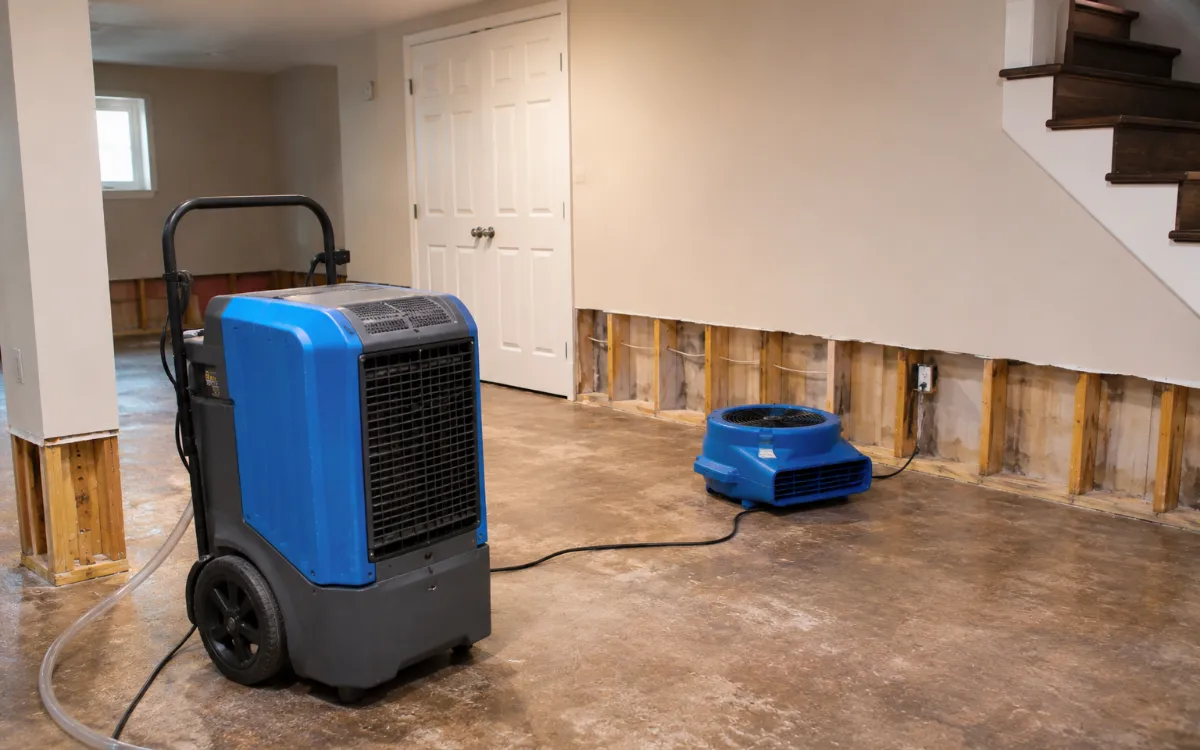
Flooded Basement Cleanup
Water removal, drying and cleanup for flooded basements and lower levels.
Learn more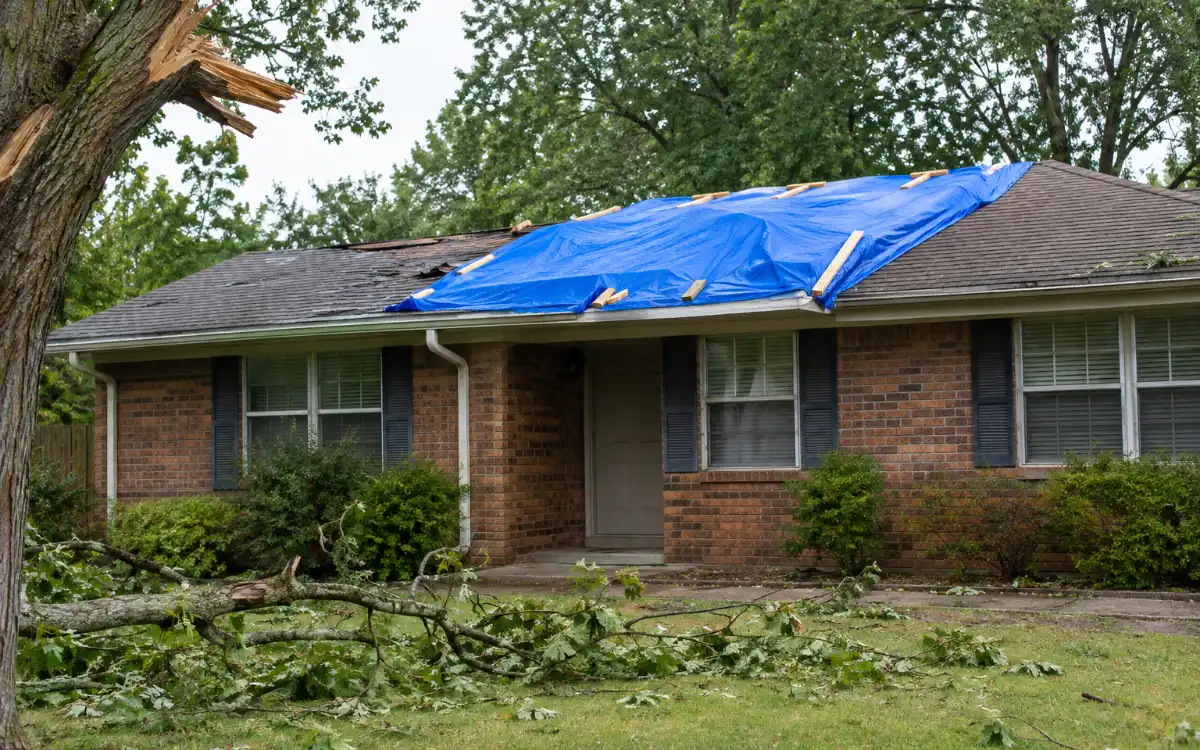
Storm Damage Restoration
Interior cleanup and drying after wind, hail and heavy rain let water in.
Learn more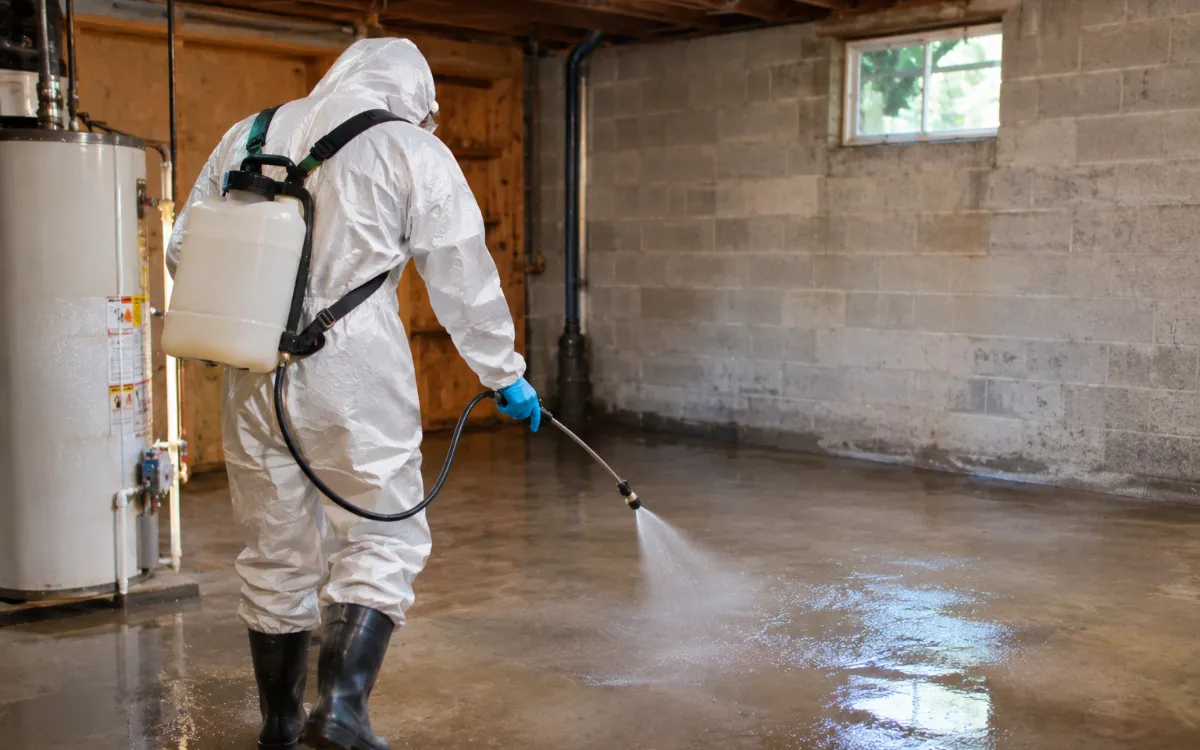
Sewage Cleanup
Safe removal and sanitizing after sewage backups and Category 3 water.
Learn more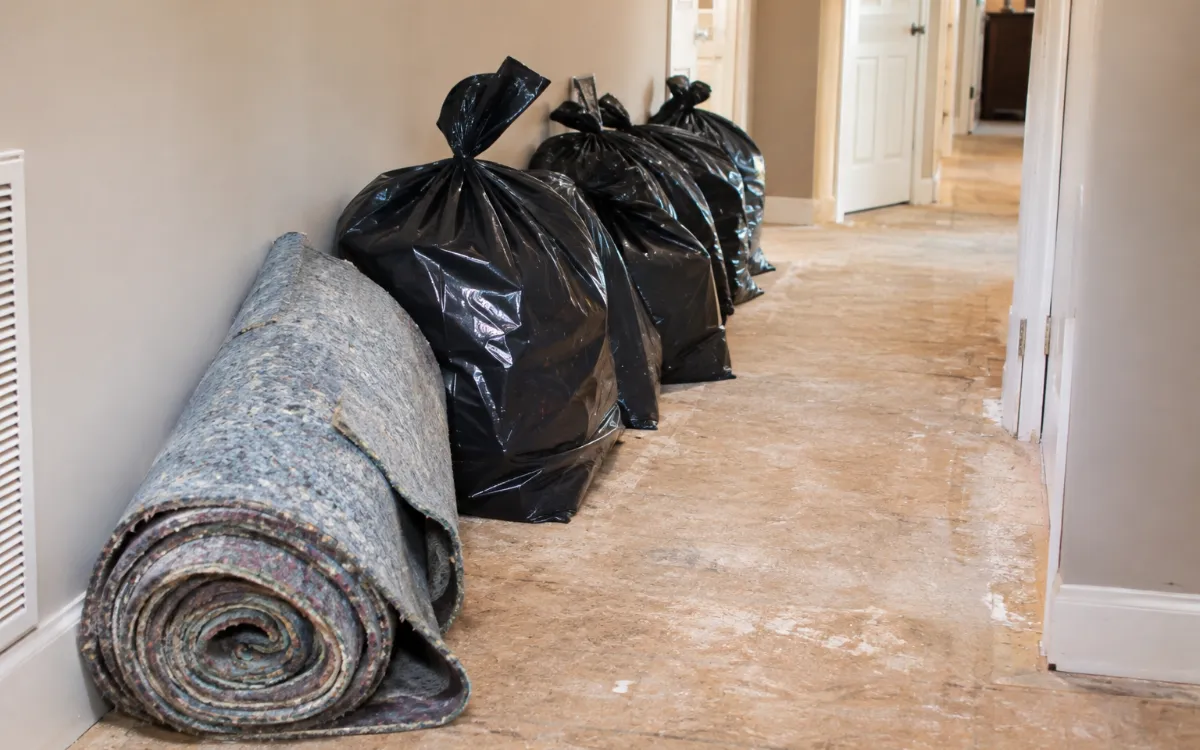
Water Damage Cleanup
We remove soaked materials, clean surfaces and treat odors after the water is out.
Learn moreCall us today for water damage restoration in Fayetteville
Our restoration team is ready to talk through the damage and get your property drying.
Call Now (555) 555-0100